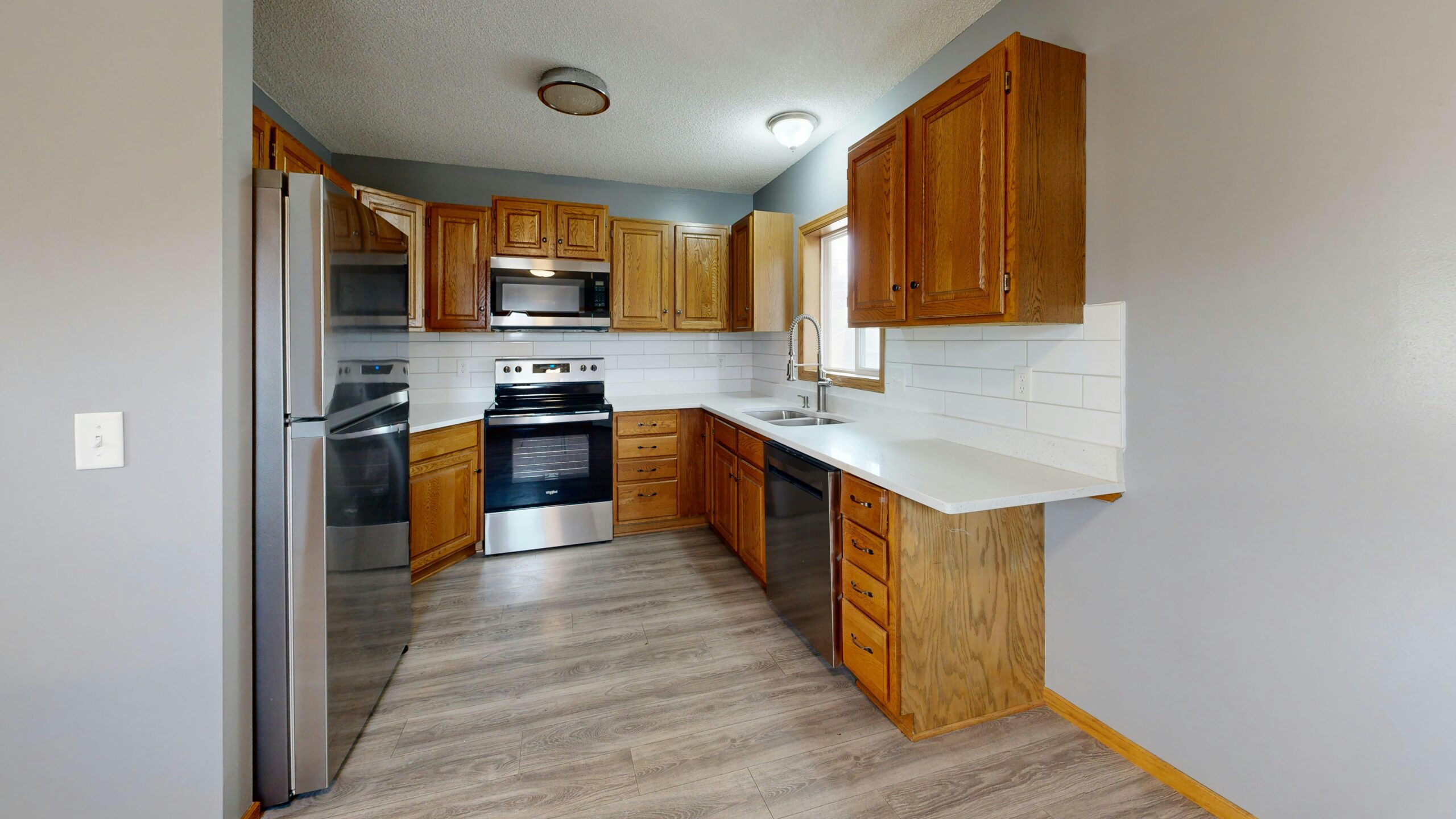
5 Summer Countertop Mistakes GTA Homeowners Keep Repeating

white kitchen surfaces

Once patios open and BBQ season starts, most of the GTA shifts back into full kitchen use. A tired summer countertop setup can turn easy meals into stress, and the same bad habits keep ruining good surfaces year after year. Small changes now can help your kitchen look sharp through the full 2026 season.

1. Parking Hot Pans Right On The Surface

Warm days mean more grilling, roasting, and air‑fryer runs. Many owners still drop hot pans on the same spots day after day. That move can mark or weaken some surfaces over time, even if they seem tough.

A simple fix is to keep sturdy trivets or built‑in hot zones near key cook spots. When you have a set place for hot dishes, you protect the rest of the work area from heat stress.

2. Letting Juice, Wine, And Sauce Sit Too Long

Summer food brings more fruit trays, marinades, and bright dressings. Spills that sit all night can stain some finishes or dull the sheen. This is a common issue after late guests or long weekend meals.

Wipe spills soon with a soft cloth and mild cleaner. Set a small “wipe zone” with towels near the sink so clean‑up feels quick rather than like a big chore. This one habit keeps color and sheen more even.

3. Using Harsh Cleaners Or Scrub Pads

Many people reach for strong chemicals or rough pads to tackle sticky mess. These tools can scratch or haze the top, especially on solid surfaces or gloss finishes. Over time, the counter starts to look worn even if it is fairly new.

Stick with gentle, non‑abrasive cleaners meant for your surface type. For tough, dried spots, let a damp cloth sit for a while before wiping instead of attacking the mess with force.

4. Treating Counters As Cutting Boards

Summer prep often moves fast—chopping herbs, slicing fruit, and trimming meat. When cutting happens right on the surface, knife marks pile up and dull both the blade and the top.

Keep a few cutting boards in easy reach and use them every time. Choose boards that are large enough for your tasks so you are not tempted to stray back onto the counter.

5. Ignoring Chips, Cracks, And Loose Seams

Small chips or hairline cracks near sinks or edges often get ignored. In warm months, more water and frequent use can make these flaws worse. Moisture seeps into seams, and the gap slowly grows until repair is more involved.

Call a pro when you first notice damage. Early service can blend repairs more cleanly and keep water from reaching the base or cabinets below. This protects the full kitchen, not just the top.

Contact Solid Surface Today

If your kitchen shows signs of past “summer sins,” contact SolidSurface.ca today. The team can help you choose and care for surfaces that handle busy GTA summers, from fresh installs to smart repair and refresh work that keeps your summer countertop looking clean and ready for guests.
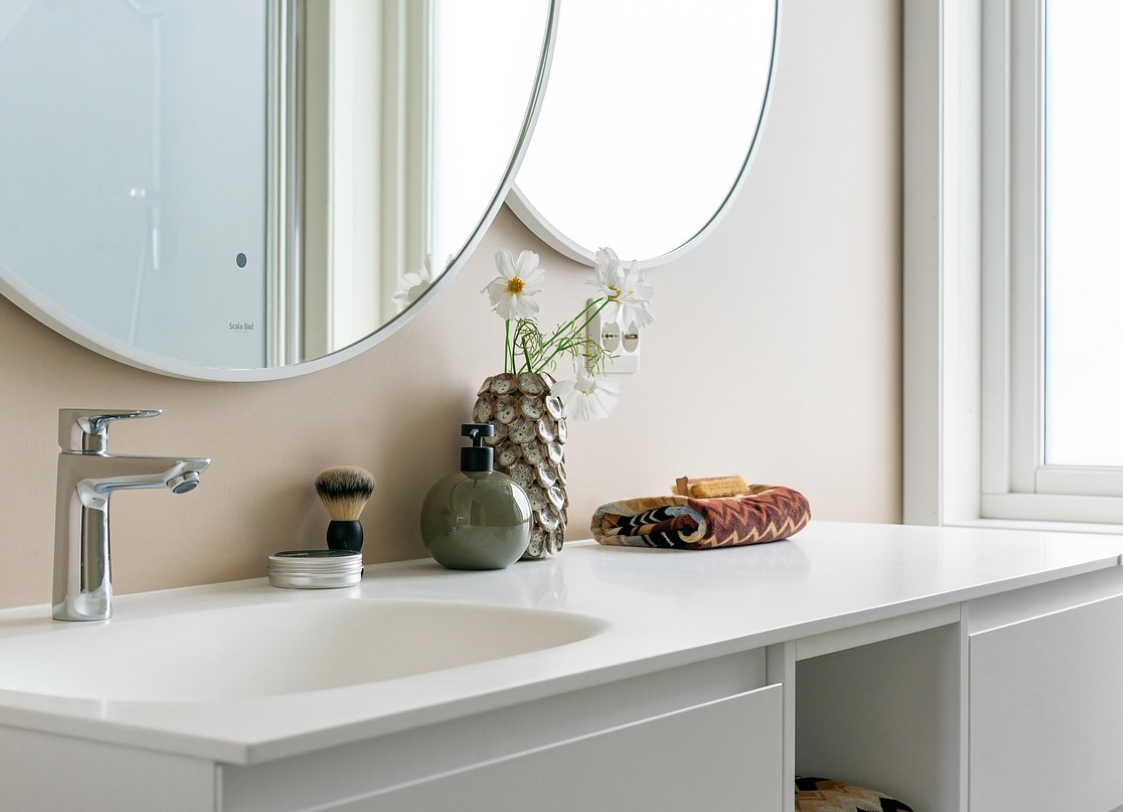
Solid Counters Crack? Our Pro 2026 Winter Tips

countertop freeze protection

Kitchen and bath countertops look solid and calm, but winter can quietly stress these surfaces in unexpected ways. One of the most overlooked defenses is winter countertop freeze protection. Subtle temperature swings, drafts, and moisture patterns all influence how seams, edges, and substrates behave when cold weather settles in.

Many owners only think about countertops in terms of spills, stains, and scratches. A more complete view of winter countertop freeze protection considers what lies beneath the surface as well. Cabinets, supports, and nearby openings to the outdoors all contribute to how a top experiences seasonal stress. Managing these factors keeps everything more stable.

Why Winter Challenges Countertops

Cold air around windows, outside walls, and entry doors can create localized chill zones. When part of a countertop rests in this colder band and the rest stays warmer, the material experiences uneven expansion and contraction. Over time, that imbalance can show up as hairline cracks, lifted edges, or gaps at backsplashes.

Undersides also matter. If the space below a counter sits above an unconditioned area, cooler air can wrap the slab from below while the room side remains comfortable. This temperature layering may be subtle, but it still influences long-term performance.

Material Behavior and Support

Different materials respond to winter in their own ways. Some are more forgiving of minor movement, while others demand very consistent support and conditions. Regardless of type, every countertop benefits from a stable, continuous base that does not sag or twist as seasons change.

Brackets, corbels, and cabinet frames play a crucial role in this stability. If supports are undersized, spaced too far apart, or poorly anchored, they may allow flex that encourages surface stress. Confirming that these structural elements are sound is a key part of protection.

Managing Drafts and Temperature Extremes

You cannot change the weather, but you can influence how it touches your counters. Sealing gaps around windows, doors, and wall penetrations near work surfaces helps smooth out abrupt temperature differences. Simple improvements to weatherstripping and insulation can have a big effect on comfort and durability.

Appliance placement matters too. Long, narrow tops that stretch between cooking appliances and cold glass may experience competing extremes in short spans. Whenever possible, layout choices that buffer counters from these clashes reduce the risk of future problems.

Moisture, Spills, and Edges

Moisture that seeps into small seams or between a counter and backsplash can become more troublesome in winter. Freeze-thaw cycles can slowly widen tiny gaps, especially where water collects repeatedly. Protecting edges near sinks, faucets, and dishwashers is especially important.

Thoughtful caulking, prompt cleanup of standing water, and regular checks for darkened seams or soft caulk lines keep small issues from growing. These habits support both hygiene and longevity.

When to Review and Upgrade

If you notice new cracks, shifting seams, or unusual noises when leaning on your countertops during colder months, it may be time for a closer look. A specialist can assess whether the cause lies in the top itself, the support structure, or nearby building conditions.

Upgrades might range from reinforcing cabinets and brackets to replacing a poorly performing section. In some cases, modest changes to layout, window treatments, or insulation around the installation zone can dramatically reduce future risk.

When you are ready to protect your investment and keep counters performing beautifully through many winters, contact our team to review your current setup and discuss customized protection or replacement options.
