Can You Put Hot Pans on Corian Countertops?

Corian heat

No—do not place hot pans directly on Corian countertops. Corian Solid Surface is heat-resistant, not heatproof. Direct contact with hot cookware can cause discolouration, scorch marks, white rings, or cracks.

Use a suitable heat-protection pad or rubber-footed trivet whenever you set down hot cookware, even briefly. Keep protection beside the stove and oven so you have a safe landing spot before lifting a hot dish.

The simplest rule for managing Corian heat exposure is to prevent direct contact rather than guessing how much heat the surface can tolerate.

What Does Heat-Resistant Actually Mean?

Heat resistance does not make a countertop an extension of the stovetop. Corian can handle normal kitchen use, but concentrated heat from cookware can damage its surface.

Do not rely on an online temperature rating as permission to place a hot pan on the counter. Cookware temperature, contact time, and the amount of heat transferred all affect the risk.

Apply the same precautions to:

  • Frying pans and cast-iron skillets
  • Roasting pans and baking trays
  • Hot casserole dishes
  • Pots removed from a burner
  • Cookware brought inside from a barbecue

A pan that has stopped sizzling may still be too hot to touch directly.

What Should You Put Under Hot Cookware?

Choose a purpose-made heat-protection pad or a stable trivet suitable for the cookware. Corian’s care guidance recommends rubber-footed trivets to help separate hot objects from the surface.

Make heat protection part of your kitchen routine:

  • Keep trivets within reach of the stove and oven.
  • Choose a size that supports the cookware securely.
  • Check the product’s heat rating and intended use.
  • Prepare several protected spaces when cooking multiple dishes.
  • Replace damaged pads or unstable trivets.

Do not assume a decorative placemat, ordinary cutting board, or folded tea towel provides adequate protection. Materials designed for serving or food preparation are not automatically suitable for hot cookware.

Can Small Appliances Damage Corian?

Portable appliances can expose a countertop to sustained heat. Toaster ovens, electric griddles, slow cookers, and similar equipment need careful placement.

Read both the appliance instructions and the countertop care guidance. Corian recommends a trivet beneath portable heat-generating appliances, but any protective arrangement must also satisfy the appliance manufacturer’s requirements.

Never block ventilation openings or use a mat that interferes with the appliance’s feet, stability, or airflow. If the instructions appear incompatible, ask the manufacturer or fabricator before operating the appliance.

Keep appliance cords away from hot surfaces and leave enough working space to handle food safely.

Can You Put Hot Pans in a Corian Sink?

Do not place hot cookware directly into a Corian sink. Let it cool first, especially cast iron and other heavy cookware that retains heat.

When draining boiling water, run cold water from the tap at the same time, as recommended in Corian’s care instructions.

An integrated sink may look like a continuous part of the countertop, but it still needs protection from direct heat from cookware.

Can Corian Heat Damage Be Repaired?

Heat damage doesn’t always require a full countertop replacement. Some marks can be professionally refinished, while deeper burns or cracks may require more extensive repair.

Avoid aggressive sanding, improvised fillers, or attempts to disguise the damage before assessment. Repairability does not guarantee warranty coverage; damage from excessive heat is excluded from Corian’s residential limited warranty.

Solid Surface.ca has fabricated residential and commercial solid surface applications in Toronto and surrounding communities since 2001, including Corian countertops and vanity tops. Contact the team to discuss your kitchen plans, confirm care requirements, or ask about next steps for an existing surface. Planning protected landing areas around your cooking zone helps keep everyday countertop care simple.
2026 Sink Scratch Repair Methods And Limitations

sink scratch repair

A scratched sink does not always require replacement. Solid surface sinks can often be renewed because their colour continues below the surface. However, successful sink scratch repair begins with identifying the material, finish, and depth of the damage. A technique intended for a matte solid surface basin may permanently dull stainless steel, porcelain, quartz, or a glossy finish.

Clean the sink with warm, soapy water and dry it completely before judging the mark. Mineral deposits, metal transfer, and stubborn residue can resemble scratches. If the line changes after cleaning, abrasion may be unnecessary. A mark that catches your fingernail generally requires more refinishing than a faint surface scuff.

Start With Gentle Cleaning

For light scratches on a matte solid surface sink, begin with the care instructions supplied by the manufacturer. A mild abrasive cleaner and an approved damp finishing pad may be enough to blend superficial marks. Work gently across a broad area rather than scrubbing one spot aggressively. The objective is to create a uniform finish, not merely erase one visible line.

Rinse the sink, dry it, and inspect it under bright light between attempts. Continuing after the scratch has blended can create a noticeably different sheen. Never assume a generic scouring pad, abrasive powder, or online repair kit is suitable for your particular sink.

Refinish Deeper Scratches Carefully

A deeper scratch may require controlled sanding followed by progressively finer abrasives. The first grade removes the damage, while each subsequent grade eliminates marks left by the previous step and restores the intended finish. Skipping grades can leave swirls, hazy patches, or a repair area that is more obvious than the original scratch.

The correct abrasives and refinishing process depend on the material’s brand, colour, and finish. Corian, Avonite, Wilsonart, LG HI-MACS, and other products should be treated according to their respective technical guidelines. Dark colours and satin or high-gloss finishes are especially unforgiving because differences in sheen remain visible under direct light. Professional refinishing is safer when the correct sequence is unknown.

Understand The Repair Limitations

Abrasive refinishing removes a thin layer of material, so it has clear limitations. It cannot close a crack, rebuild a chipped edge, correct a separated seam, or resolve movement beneath the sink. Deep gouges, impact damage, heat distortion, widespread discolouration, and damage around the drain may require specialized fabrication techniques, an insert repair, or replacement.

Previous repairs can also complicate the work. Silicone, incompatible adhesives, coatings, and uneven sanding may prevent an invisible result. A refinished spot may not match an older sink with a natural patina. Restoring the entire bowl may therefore produce a more consistent appearance than concentrating exclusively on the damaged area.

Avoid Causing New Damage

Preventing scratches is easier than repeatedly refinishing the sink. Avoid cutting directly on solid surface material, dragging unglazed ceramics across the bowl, or dropping heavy cookware. Lift and clean beneath sink mats regularly because trapped grit may mark the surface.

Rinse away sand, food particles, and hard debris before wiping the basin. Use non-scratch cleaning tools and follow the care instructions for the installed brand. Hot cookware should never be placed directly in a solid surface sink without suitable protection. These habits preserve the original finish and reduce how frequently restoration is required.

Restore Your Sink Professionally

If scratches are making your solid surface sink look worn, let an experienced fabricator determine whether cleaning, refinishing, repair, or replacement will deliver the best result. Solid Surface.ca has fabricated residential and commercial solid surface applications in Toronto and surrounding communities, working with brands such as Corian, Avonite, and Wilsonart.

Contact Solid Surface today to discuss your sink and restore a smooth, consistent finish without risking unnecessary DIY damage.

Stop Kitchen Stains With a Surprisingly Tough Sink

seamless sink

A sink with visible seams collects grime in places a sponge can never reach. Integrated countertop sinks remove those seams entirely, giving kitchens a cleaner, tougher surface that resists stains far better than standard drop-in styles.

Why Standard Sinks Trap So Much Grime

A typical drop-in sink sits on top of a counter, held in place with a rim and a bead of caulk. That seam between sink and counter becomes a magnet for water, soap scum, and food debris over time.

Common problems with seamed sinks include:

  • Caulk lines that discolor and crack within a year or two
  • Grime buildup along the rim that resists scrubbing
  • Water seeping under the seam, leading to hidden damage
  • A visible gap that never quite looks clean, no matter the effort

Each of these issues traces back to one root cause: a seam that was never meant to last forever.

What Makes an Integrated Sink Different

An integrated sink gets fused directly into the countertop material during fabrication, creating one continuous surface. There is no separate rim, no caulk line, and no seam for grime to hide in.

Key differences include:

  • A single, unbroken surface from counter to sink basin
  • No caulk or sealant needed at the sink edge
  • Matching color and finish between counter and sink
  • A smooth transition that makes wiping down the whole area effortless

One continuous surface removes the exact spot where most kitchen sink grime tends to build up over time.

How This Design Resists Stains So Well

Solid surface material used in integrated sinks is built to resist staining at a deeper level than many other countertop materials. Its non-porous structure means liquids sit on top instead of soaking in.

Stain-resistance benefits include:

  • No pores for coffee, wine, or sauce to soak into
  • Smooth surfaces that wipe clean without heavy scrubbing
  • Consistent color that hides minor marks better than some materials
  • Resistance to the kind of staining that builds up in grout or caulk lines

Non-porous material structure is the real reason these sinks hold up so well against everyday kitchen messes.

Cleaning Becomes Genuinely Simple

Without a seam or rim to scrub, daily cleaning turns into a quick wipe instead of a chore. This alone makes a real difference for busy households and commercial kitchens alike.

Cleaning benefits include:

  • A quick wipe-down handles most daily messes
  • No caulk lines to bleach or scrub separately
  • Fewer spots for bacteria to hide compared to seamed designs
  • Simple maintenance that does not require special cleaners

Less time spent scrubbing around a sink edge means more time spent actually using the kitchen.

Durability That Goes Beyond Looks

Beyond staining, integrated sinks hold up well against daily wear and tear. The same fabrication process that removes seams also creates a strong, repairable surface.

Durability features include:

  • Resistance to minor scratches from daily use
  • The ability to buff out small marks rather than replacing the whole sink
  • Strong resistance to heat compared to some other materials
  • A surface that ages evenly, without the seam breaking down first

The ability to buff out minor damage sets solid surface apart from materials that need full replacement after visible wear.

Style Options That Fit Any Kitchen

Integrated sinks are not limited to one plain look. A wide range of colors, textures, and basin shapes lets homeowners match the sink to their overall kitchen design.

Style choices include:

  • Matching or contrasting colors between counter and basin
  • Single or double basin configurations
  • Rounded or squared-off basin edges
  • Textured finishes that mimic natural stone

Choosing the right combination keeps the kitchen looking cohesive while still gaining all the practical benefits of a seamless design.

Considering the Investment

Integrated sinks typically cost more upfront than a standard drop-in style. That gap in price often balances out through lower long-term maintenance and a countertop that keeps looking clean with far less effort.

Owners planning to stay in a home for years often find the reduced cleaning time and lasting appearance worth the higher starting cost.

If seams and stains around your current sink feel like a losing battle, an integrated design could solve the problem for good. Reach out to Solid Surface to plan a seamless sink that keeps your kitchen looking clean with far less work.

Pick Countertops That Take Real Life In Stride: What You Need to Know

kitchen

A countertop should handle busy days without making the kitchen harder to use. Solid surface sinks can help create a smooth, easy-care space that works well for cooking, cleanup, and daily life.

Built For Daily Use

Kitchens see a lot of action every day, with spills, hot pans, and a constant stream of dishes requiring quick cleanups. This daily wear and tear puts stress on surfaces, making it crucial to choose a durable countertop. A good countertop should easily withstand this activity without turning maintenance into yet another chore for homeowners.

Solid surface sinks fit well in that kind of setting. They help create a smooth look that feels neat and simple. That can make the room easier to keep in order.

A Clean Look That Stays Useful

Some countertop choices look nice at first but do not age well in a busy home. A more practical surface can keep its shape and still look good after regular use. That matters in homes where the kitchen does a lot of heavy lifting.

Solid surface sinks seamlessly integrate with countertops, creating a cohesive and tranquil aesthetic. This design not only enhances the overall look of the space but also minimizes visible seams and crevices where dirt can accumulate. As a result, they contribute to a cleaner, more organized appearance in kitchens and bathrooms alike.

Good For Busy Families

A kitchen often works as the center of the house. That means it needs to stay useful for meals, homework, snacks, and quick tasks. A surface that is easy to live with can make that much simpler.

Solid surface sinks can support that kind of use well. They help the kitchen feel smoother and less fussy, which can save time during the day. That makes them a strong fit for active homes in Toronto and the GTA.

Easy To Keep Moving

When a kitchen works well, the whole house feels better. A countertop should help people move through the space with less effort. It should not add more steps or more stress.

  • Smooth cleanup.
  • Clean built-in look.
  • Less visual clutter.
  • Easy daily use.

These small gains can add up fast. They help the kitchen feel more calm and more ready for real life.

A Smart Choice For Home Updates

A countertop upgrade can make a big difference without a full remodel. It can refresh the room, improve use, and help the kitchen feel more finished. That is why many homeowners start there.

Solid surface sinks can be part of that kind of update. They help the space feel more complete while still staying practical. That mix makes them a smart choice for many homes.

A Kitchen That Works Harder

The best kitchen features are the ones you use every day without thinking about them. A strong countertop and sink setup can do that well. It helps the room stay clean, steady, and ready for use.

For more on this kind of work, see Solid Surface. Solid Surface can help you pick countertops that take real life in stride.

5 Pro Countertop Installs: Revolutionize Your Cooking Space

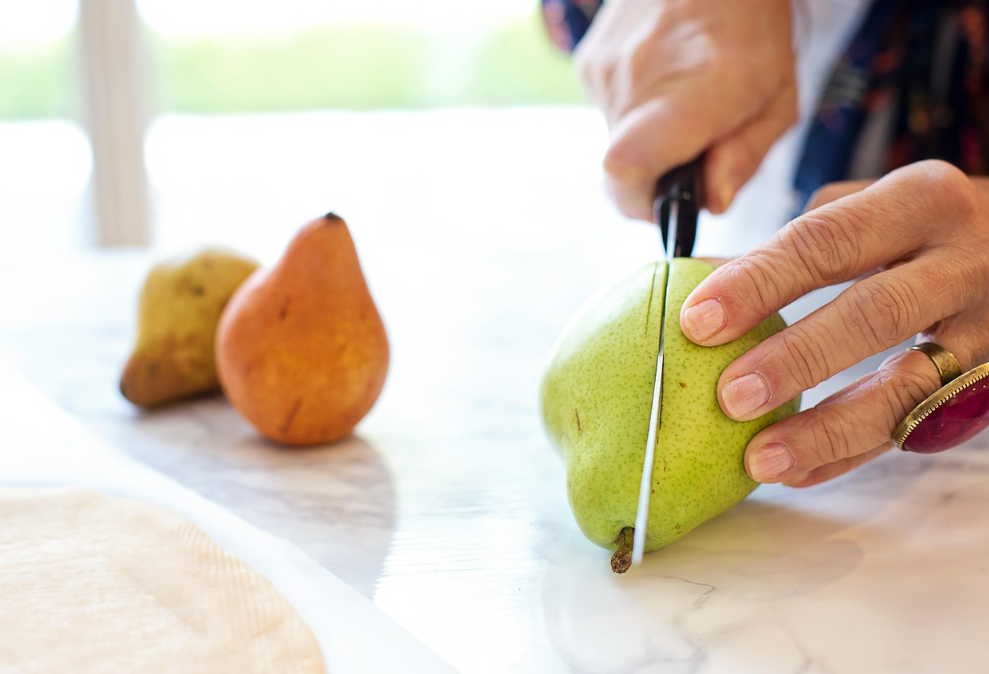
person cuts pears on countertop

Solid surface countertops are more than a style upgrade. In a busy kitchen, they change how you prep, cook, and clean. Seamless joins, integrated backsplashes, and custom shapes mean fewer crumbs trapped in gaps, easier wiping, and work zones that actually match how you move around the room.

Because solid surface can be formed and finished on site, pro installs can tailor counters to your kitchen instead of forcing you to work around generic pieces.

1. Seamless L-Shaped Workstations

In many homes, the main prep zone lives in an L-shaped run of cabinets. With solid surface, that corner can be fabricated as one flowing piece instead of two slabs joined with a visible seam. The result is a smooth surface where cutting boards slide easily, dough can be rolled without catching, and cleanup is as simple as one wipe. A pro install makes sure the L is level, properly supported, and finished evenly so it feels like a single, continuous workspace.

2. Integrated Undermount Sink Cutouts

Pro fabricators can router and polish sink cutouts precisely, then bond solid surface directly to undermount sinks for a flush, easy-to-clean edge. That eliminates the ridge where water and food debris usually collect. In everyday use, you can wipe crumbs and spills straight into the sink without snagging on caulk lines. For busy cooks, that seamless transition between counter and sink becomes one of the most appreciated details.

3. Built-Up Drop Edges For A Custom Look

Solid surface can be built up at the front edge to create thicker, more substantial-looking profiles without adding unnecessary weight. Installers use carefully cut strips and adhesives designed for the material to form these drop edges, then sand and blend them so they appear as one piece. The thicker edge visually anchors the kitchen and makes counters look custom, while still keeping the main working surface at a comfortable height.

4. Backsplash And Counter As One Piece

Instead of separate backsplash tiles and counter slabs, solid surface allows the two to be formed as a single unit. A short or full-height backsplash can be bonded and finished with the countertop, creating a smooth corner with no grout lines. This design makes cleaning splashes behind sinks and stoves far easier, and reduces the chance of water getting into seams over time. Pro installs handle templating and fitting so outlets, windows, and cabinets all align neatly with the new surfaces.

5. Custom Islands With Integrated Features

Islands often serve as multipurpose hubs for prep, serving, and seating. Solid surface islands can be shaped with overhangs for stools, integrated support details, and cutouts for cooktops or sinks. Because the material can be joined seamlessly, larger islands can be built from multiple pieces without obvious lines, maintaining a clean, unified look. A professional installation ensures proper bracing under overhangs and precise openings for appliances, so the island feels solid and safe in daily use.

Why Work With A Pro Solid Surface Fabricator

Fabricating and installing solid surface requires specialized tools, adhesives, and finishing techniques. Certified fabricators bring experience from both residential and commercial projects, ensuring counters are level, seams are invisible, and edges are durable.

For homeowners who want to revolutionize their cooking space instead of just swapping materials, that level of detail makes all the difference.

5 Summer Countertop Styles Ontario Homeowners Love

Summer is often when kitchens work hardest, from everyday family meals to long weekend get‑togethers. Solid surface countertops fit that rhythm nicely because they are durable, repairable, and available in so many looks. Here are five summer friendly styles Ontario homeowners tend to gravitate toward, plus how a company like Solid Surface can help.

1. Light, Airy Whites And Off Whites

Bright, light counters instantly make a kitchen feel cooler and more open, which fits the summer mood. Soft whites, creams, and very light greys work well with both modern and classic cabinets. They bounce natural light around the room and pair nicely with wood, black hardware, or color accents. Solid surface materials can mimic the look of stone while keeping a non porous, easy to clean finish that does not need sealing.

2. Subtle Marble Look Patterns

Marble veining remains very popular, but many Ontario homeowners prefer the practicality of solid surface over real marble. Patterns with soft, flowing grey or taupe veins on a light background give that elegant, “special occasion” feel without the staining worries. These tops dress up a kitchen for summer entertaining, but they also handle everyday spills, coffee, and juice with far less stress.

3. Warm, Sand Inspired Neutrals

Beige, sand, and warm greige tones create a relaxed, natural vibe that fits coastal and cottage inspired kitchens. In solid surface, these often come with small, subtle particles or speckles that help hide crumbs and everyday wear. They pair beautifully with oak, maple, and other warm toned woods, as well as with black or bronze fixtures, so they transition well into fall and winter too.

4. Soft Concrete Or Matte Industrial Looks

For more modern spaces, concrete inspired solid surface patterns are a summer favorite. Soft grey or putty tones with a smooth, matte finish deliver that urban loft feel without the weight, cracking risk, or sealing needs of real concrete. These countertops work especially well with flat panel cabinets, open shelving, and black framed windows, which are very common in updated Ontario homes.

5. High Contrast Islands As A Focal Point

Another style Ontario homeowners love is using solid surface to create a statement island that contrasts with the perimeter counters. For example, light marble look tops around the wall cabinets and a deeper charcoal, navy, or rich taupe solid surface on the island. This approach gives the kitchen a summer friendly, open look while making the island the social and visual center of the room when guests gather.

Why Work With A Solid Surface Specialist

Choosing a style you love is only part of the story. A solid surface specialist can help you balance color, pattern scale, and edge profiles with your cabinets, flooring, and backsplash, so the kitchen looks cohesive in every season. They can also advise on integrated sinks, coved backsplashes, and seam placement so the result is not just stylish but also hygienic and easy to maintain.

If you are ready to update your Ontario kitchen before summer hosting begins, reach out to Solid Surface to explore samples in person and plan countertops that will look and perform beautifully for years.

5 Summer Countertop Mistakes GTA Homeowners Keep Repeating

white kitchen surfaces

Once patios open and BBQ season starts, most of the GTA shifts back into full kitchen use. A tired summer countertop setup can turn easy meals into stress, and the same bad habits keep ruining good surfaces year after year. Small changes now can help your kitchen look sharp through the full 2026 season.

1. Parking Hot Pans Right On The Surface

Warm days mean more grilling, roasting, and air‑fryer runs. Many owners still drop hot pans on the same spots day after day. That move can mark or weaken some surfaces over time, even if they seem tough.

A simple fix is to keep sturdy trivets or built‑in hot zones near key cook spots. When you have a set place for hot dishes, you protect the rest of the work area from heat stress.

2. Letting Juice, Wine, And Sauce Sit Too Long

Summer food brings more fruit trays, marinades, and bright dressings. Spills that sit all night can stain some finishes or dull the sheen. This is a common issue after late guests or long weekend meals.

Wipe spills soon with a soft cloth and mild cleaner. Set a small “wipe zone” with towels near the sink so clean‑up feels quick rather than like a big chore. This one habit keeps color and sheen more even.

3. Using Harsh Cleaners Or Scrub Pads

Many people reach for strong chemicals or rough pads to tackle sticky mess. These tools can scratch or haze the top, especially on solid surfaces or gloss finishes. Over time, the counter starts to look worn even if it is fairly new.

Stick with gentle, non‑abrasive cleaners meant for your surface type. For tough, dried spots, let a damp cloth sit for a while before wiping instead of attacking the mess with force.

4. Treating Counters As Cutting Boards

Summer prep often moves fast—chopping herbs, slicing fruit, and trimming meat. When cutting happens right on the surface, knife marks pile up and dull both the blade and the top.

Keep a few cutting boards in easy reach and use them every time. Choose boards that are large enough for your tasks so you are not tempted to stray back onto the counter.

5. Ignoring Chips, Cracks, And Loose Seams

Small chips or hairline cracks near sinks or edges often get ignored. In warm months, more water and frequent use can make these flaws worse. Moisture seeps into seams, and the gap slowly grows until repair is more involved.

Call a pro when you first notice damage. Early service can blend repairs more cleanly and keep water from reaching the base or cabinets below. This protects the full kitchen, not just the top.

Contact Solid Surface Today

If your kitchen shows signs of past “summer sins,” contact SolidSurface.ca today. The team can help you choose and care for surfaces that handle busy GTA summers, from fresh installs to smart repair and refresh work that keeps your summer countertop looking clean and ready for guests.

Will Hot Pots Scar Your Shiny Counters This Patio Season?

pots and food on solid surface countertops

Hot pots and summer cookouts are a great test of how tough your countertops really are. Solid surface counters are designed to handle everyday kitchen heat, but like every material, they have limits—especially when the sun is beating down on your patio kitchen and you are moving pans straight from the grill or cooktop. Most solid surface products can tolerate brief, incidental heat, but direct contact with very hot pots, cast‑iron pans, or baking sheets can scorch, discolor, or even distort the surface if there is no protection underneath.

How Much Heat Can Solid Surface Really Take?

Solid surface countertops are made from mineral fillers and acrylic or polyester resins, which give them a smooth, repairable finish but also set a ceiling on how much heat they can safely absorb.

Many manufacturers note that solid surface can typically withstand temperatures in the range of a few hundred degrees Fahrenheit before damage risk climbs, but cookware and grillware often exceed that, especially when coming straight off a burner or out of an oven. That is why care guides consistently recommend treating solid surface as “heat resistant, not heat proof.”

Summer Outdoor Kitchens Raise The Stakes

In a sunny outdoor or patio kitchen, heat comes from more than just your pots and pans. Dark finishes and direct sun can warm countertop surfaces significantly through the day, while nearby grills, side burners, and pizza ovens add more localized heat. That background warmth reduces the safety margin when a hot pan is set down suddenly, increasing the chance of a scorch mark or subtle warping.

UV exposure can also fade some materials over time, so choosing the right colour, layout, and shade for any solid surface outdoors is part of keeping it looking new.

What Happens If You Ignore Heat Protection?

Placing hot pots directly on solid surface occasionally may not leave an obvious mark right away, but repeated or extreme exposures can cause visible damage. Common issues include dull, cloudy rings where the finish has been overheated, yellowing or dark spots from scorching, and, in severe cases, small cracks or distortions where the resin has softened and re‑hardened.

Some of these can be repaired by professional refinishing, but deep heat damage can require more extensive work or replacement sections.

Simple Ways To Keep Counters Shiny All Season

The good news is that protecting solid surface in summer is straightforward. Trivets and hot pads should be a habit under any very hot pan, especially cast iron or heavy stainless cookware. Models with rubber or silicone feet help create an air gap, keeping concentrated heat off the counter. Near grills and burners, built‑in landing zones—like a strip of more heat‑tolerant material or a dedicated trivet area—give you a safe spot to set things down without thinking.

Regular cleaning with non‑abrasive cleaners keeps sunscreen, oils, and food residue from dulling the finish, so the surface stays as glossy as the day it was installed.

Designing A Summer‑Proof Countertop Setup

For new projects or upgrades, planning for heat from the start makes patio season easier. That might mean pairing solid surface with more heat‑tolerant slabs in the hottest spots, adding shade over the main prep areas, and placing grills so their exhaust does not blast directly across worktops.

In covered outdoor kitchens or sunny indoor spaces, combining smart layout with everyday heat protection lets you enjoy the seamless look and easy maintenance of solid surface without worrying every time a hot pot leaves the stove.

7 Counter Upgrades Crushing 2026 Cold Trends

countertop trend

Winter in Toronto pulls focus back to the kitchen. winter countertop choices can keep your space bright, warm to the touch, and easier to clean when boots, stews, and hot drinks pass through all day. These seven upgrades line up with 2026 style while still working hard in real life.

1. Go Seamless With Solid Surface

Seamless solid surface tops erase crumb‑catching joints and grout lines. Large runs can curve around corners, blend into backsplashes, and even tie into integrated sinks, which makes wipe‑downs fast after big winter meals. Non‑porous makeup also keeps stains from coffee, wine, and broth on the surface, so a quick swipe brings back a clean look.

2. Pick Calm, Light Winter Tones

Pale whites, soft greys, and stone‑look patterns bounce scarce daylight deeper into the room. Solid surface lines now mimic marble or concrete without their upkeep, so you gain that winter‑ready brightness without worry about splashes or citrus marks. In condos and townhomes, these shades help small kitchens feel larger even when skies stay dull.

3. Add Integrated Sinks And Drain Areas

An integrated sink in the same material removes the lip where grime and slush like to sit. Sloped drain boards formed right into the counter let wet mitts, mugs, and pans dry without pooling water. This setup suits busy winter weeks when dishes run nonstop and clean‑up needs to stay quick.

4. Choose Surfaces That Feel Warm

Stone can feel icy on cold days. Solid surface counters land in a more gentle zone: firm enough for prep, yet not so hard and chilly that mugs and dishes chip at each set‑down. That softer feel makes long baking nights and holiday prep more pleasant for wrists and hands.

5. Plan For Easy Repair, Not Full Replace

Busy winter kitchens see nicks and bumps. One strength of solid surface is that many scratches and small burns can be sanded and blended out, instead of forcing a full top swap. This “renewable” trait stretches value over years, which matters when you cook and host often.

6. Use Waterfall Ends For Tough, Clean Edges

Waterfall panels down the sides of islands block scuffs from boots and bags at entry points. In open plans, they also give a neat frame to the kitchen, hiding stool legs and storage from view. Solid surface can form these drops with tight, clean seams that keep winter grit from finding edges to chip.

7. Tie Counters Into The Whole Room

Counters should work with cabinets, lighting, and backsplashes, not fight them. Solid surface options span bold hues, quiet neutrals, and translucent pieces that you can even backlight for gentle winter glow. Matching window sills, ledges, and small side tables in the same material can pull the whole main floor together.

Craft Your Winter‑Ready Counters With Solid Surface

Choosing the right winter countertop pays off every cold season. SolidSurface.ca fabricates and installs solid surface counters and vanities for homes and businesses across Toronto, offering brands like Corian and other leading lines with custom shapes, seams, and integrated sinks. Connect with their team to plan 2026 upgrades that keep your kitchen bright, durable, and easy to live with from first frost to spring thaw.

Solid Counters Crack? Our Pro 2026 Winter Tips

countertop freeze protection

Kitchen and bath countertops look solid and calm, but winter can quietly stress these surfaces in unexpected ways. One of the most overlooked defenses is winter countertop freeze protection. Subtle temperature swings, drafts, and moisture patterns all influence how seams, edges, and substrates behave when cold weather settles in.

Many owners only think about countertops in terms of spills, stains, and scratches. A more complete view of winter countertop freeze protection considers what lies beneath the surface as well. Cabinets, supports, and nearby openings to the outdoors all contribute to how a top experiences seasonal stress. Managing these factors keeps everything more stable.

Why Winter Challenges Countertops

Cold air around windows, outside walls, and entry doors can create localized chill zones. When part of a countertop rests in this colder band and the rest stays warmer, the material experiences uneven expansion and contraction. Over time, that imbalance can show up as hairline cracks, lifted edges, or gaps at backsplashes.

Undersides also matter. If the space below a counter sits above an unconditioned area, cooler air can wrap the slab from below while the room side remains comfortable. This temperature layering may be subtle, but it still influences long-term performance.

Material Behavior and Support

Different materials respond to winter in their own ways. Some are more forgiving of minor movement, while others demand very consistent support and conditions. Regardless of type, every countertop benefits from a stable, continuous base that does not sag or twist as seasons change.

Brackets, corbels, and cabinet frames play a crucial role in this stability. If supports are undersized, spaced too far apart, or poorly anchored, they may allow flex that encourages surface stress. Confirming that these structural elements are sound is a key part of protection.

Managing Drafts and Temperature Extremes

You cannot change the weather, but you can influence how it touches your counters. Sealing gaps around windows, doors, and wall penetrations near work surfaces helps smooth out abrupt temperature differences. Simple improvements to weatherstripping and insulation can have a big effect on comfort and durability.

Appliance placement matters too. Long, narrow tops that stretch between cooking appliances and cold glass may experience competing extremes in short spans. Whenever possible, layout choices that buffer counters from these clashes reduce the risk of future problems.

Moisture, Spills, and Edges

Moisture that seeps into small seams or between a counter and backsplash can become more troublesome in winter. Freeze-thaw cycles can slowly widen tiny gaps, especially where water collects repeatedly. Protecting edges near sinks, faucets, and dishwashers is especially important.

Thoughtful caulking, prompt cleanup of standing water, and regular checks for darkened seams or soft caulk lines keep small issues from growing. These habits support both hygiene and longevity.

When to Review and Upgrade

If you notice new cracks, shifting seams, or unusual noises when leaning on your countertops during colder months, it may be time for a closer look. A specialist can assess whether the cause lies in the top itself, the support structure, or nearby building conditions.

Upgrades might range from reinforcing cabinets and brackets to replacing a poorly performing section. In some cases, modest changes to layout, window treatments, or insulation around the installation zone can dramatically reduce future risk.

When you are ready to protect your investment and keep counters performing beautifully through many winters, contact our team to review your current setup and discuss customized protection or replacement options.