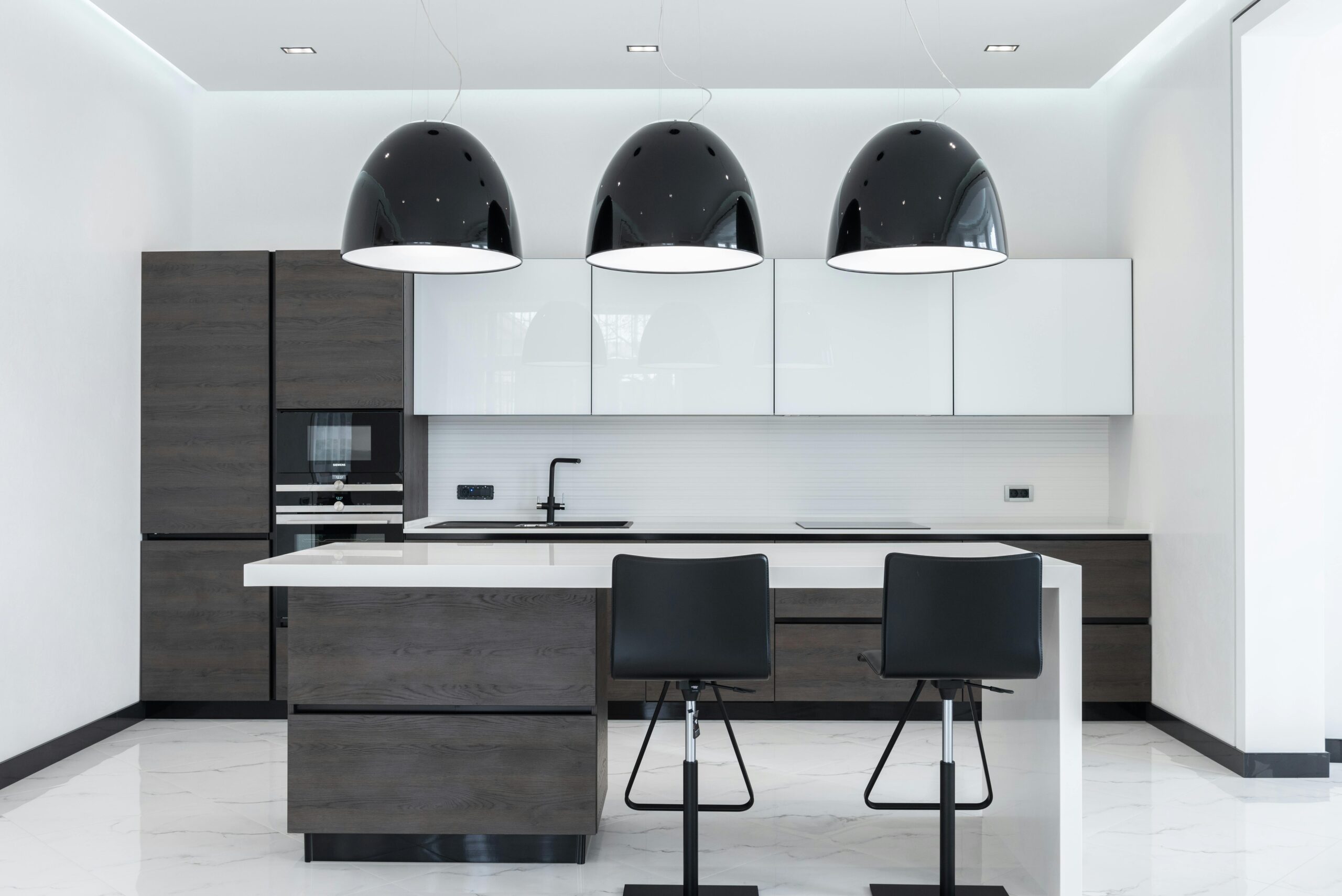
Winter in Toronto pulls focus back to the kitchen. winter countertop choices can keep your space bright, warm to the touch, and easier to clean when boots, stews, and hot drinks pass through all day. These seven upgrades line up with 2026 style while still working hard in real life.
1. Go Seamless With Solid Surface
Seamless solid surface tops erase crumb‑catching joints and grout lines. Large runs can curve around corners, blend into backsplashes, and even tie into integrated sinks, which makes wipe‑downs fast after big winter meals. Non‑porous makeup also keeps stains from coffee, wine, and broth on the surface, so a quick swipe brings back a clean look.
2. Pick Calm, Light Winter Tones
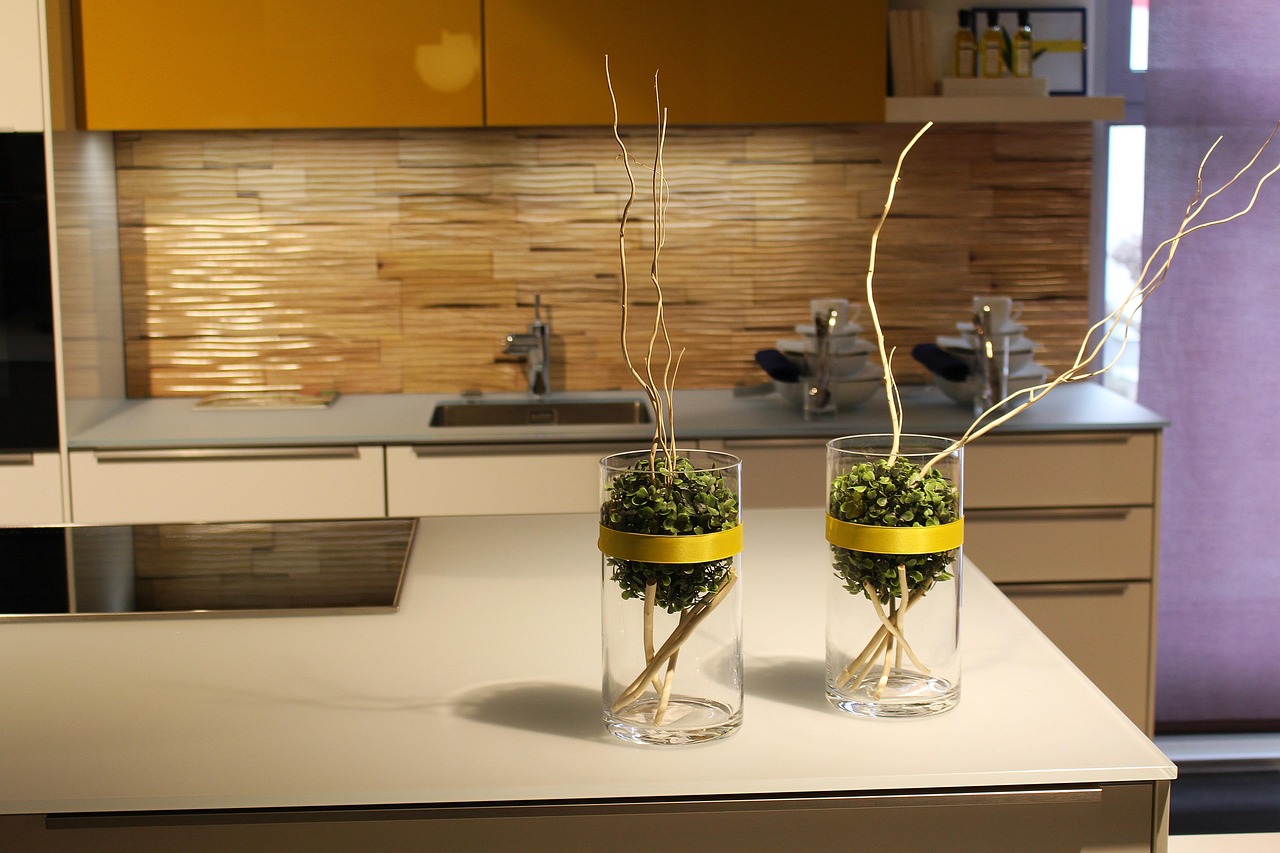
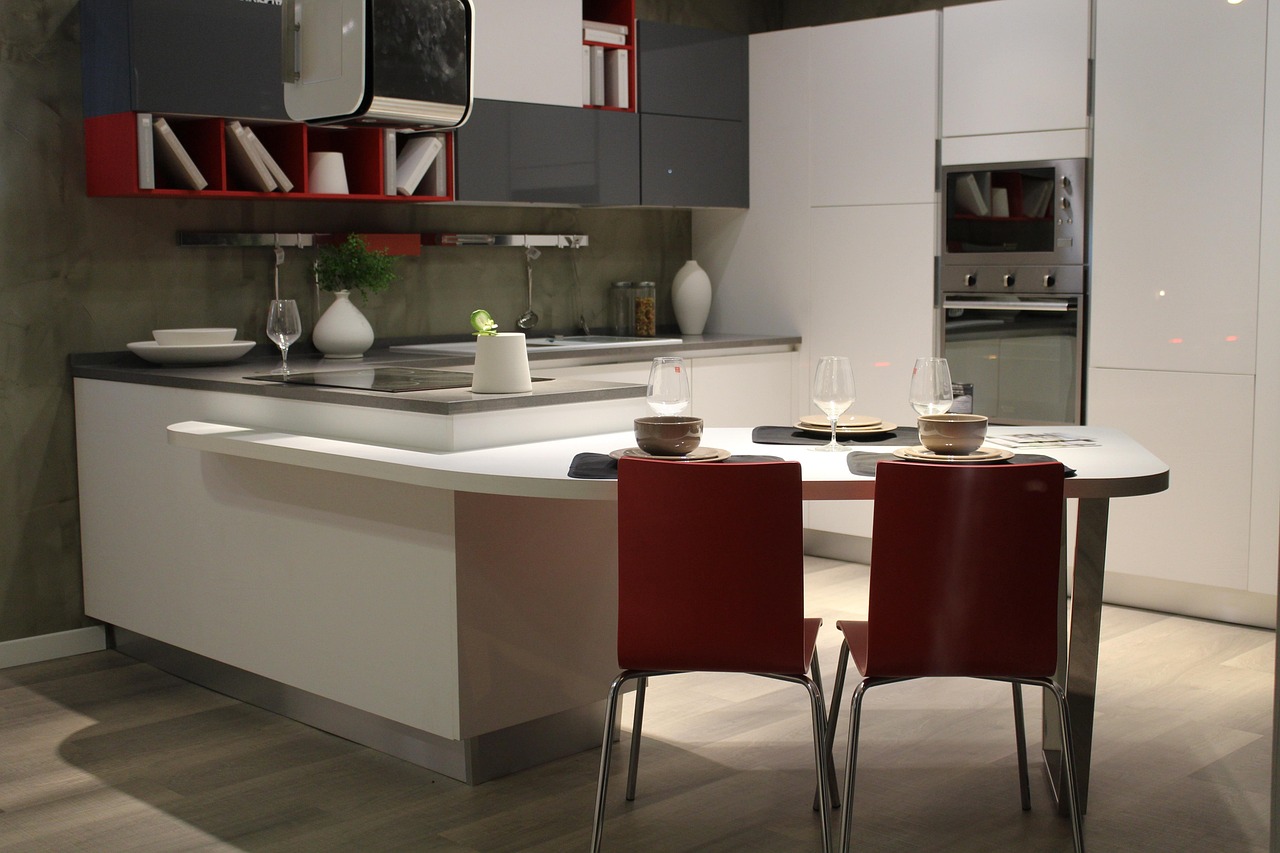
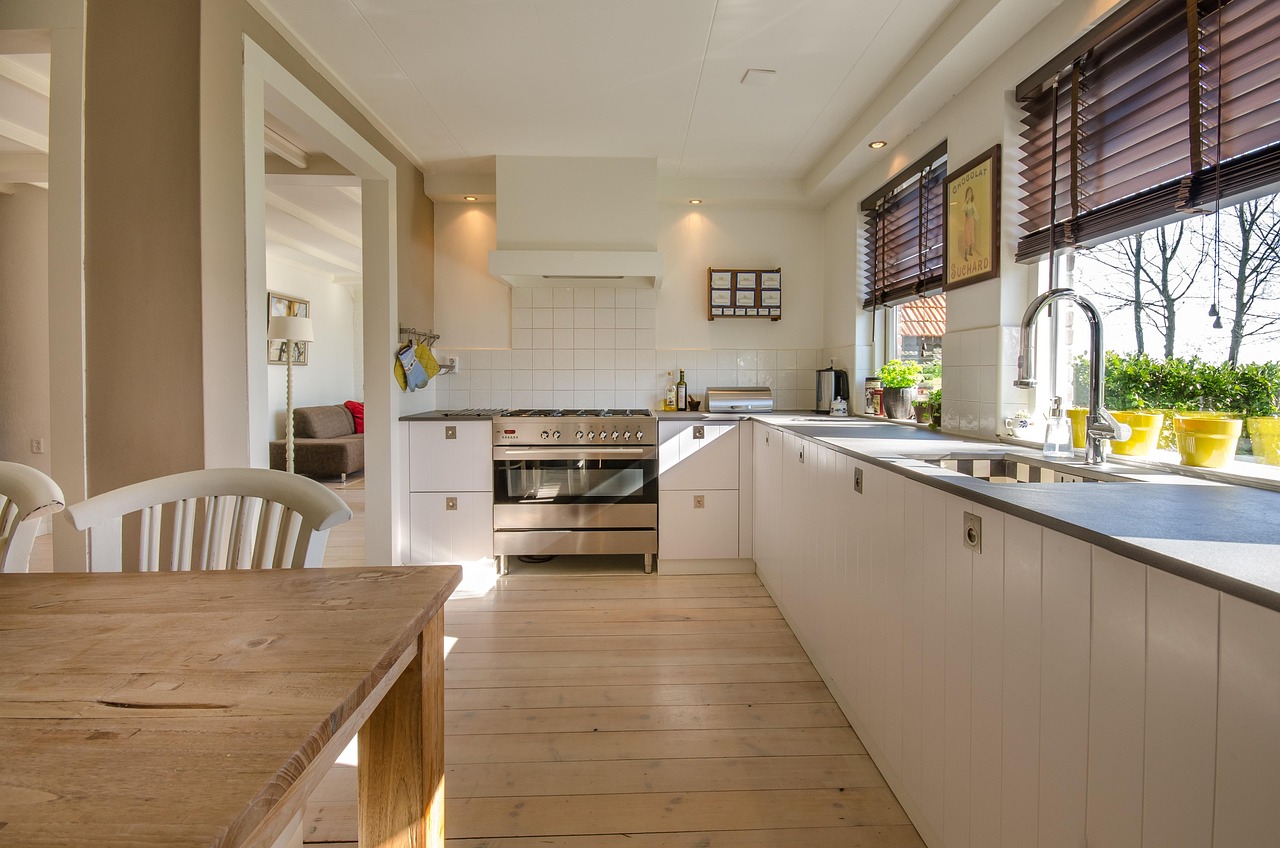
Pale whites, soft greys, and stone‑look patterns bounce scarce daylight deeper into the room. Solid surface lines now mimic marble or concrete without their upkeep, so you gain that winter‑ready brightness without worry about splashes or citrus marks. In condos and townhomes, these shades help small kitchens feel larger even when skies stay dull.
3. Add Integrated Sinks And Drain Areas
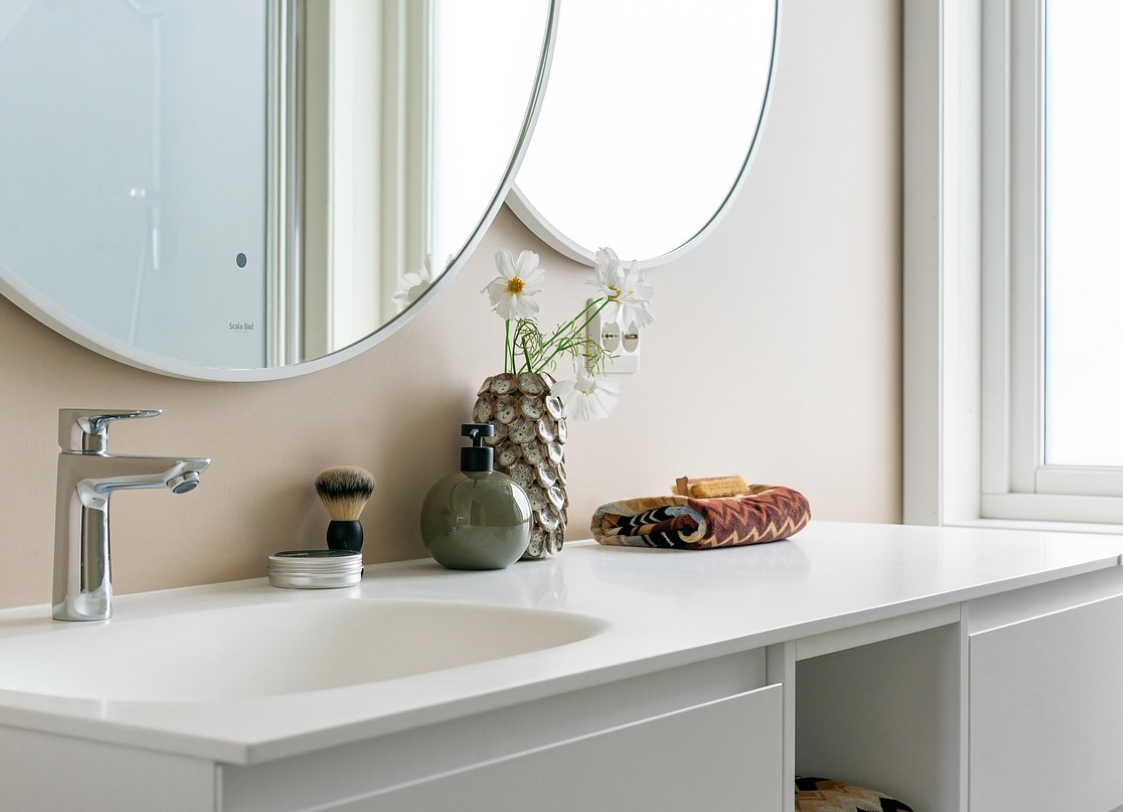
An integrated sink in the same material removes the lip where grime and slush like to sit. Sloped drain boards formed right into the counter let wet mitts, mugs, and pans dry without pooling water. This setup suits busy winter weeks when dishes run nonstop and clean‑up needs to stay quick.
4. Choose Surfaces That Feel Warm
Stone can feel icy on cold days. Solid surface counters land in a more gentle zone: firm enough for prep, yet not so hard and chilly that mugs and dishes chip at each set‑down. That softer feel makes long baking nights and holiday prep more pleasant for wrists and hands.
5. Plan For Easy Repair, Not Full Replace
Busy winter kitchens see nicks and bumps. One strength of solid surface is that many scratches and small burns can be sanded and blended out, instead of forcing a full top swap. This “renewable” trait stretches value over years, which matters when you cook and host often.
6. Use Waterfall Ends For Tough, Clean Edges
Waterfall panels down the sides of islands block scuffs from boots and bags at entry points. In open plans, they also give a neat frame to the kitchen, hiding stool legs and storage from view. Solid surface can form these drops with tight, clean seams that keep winter grit from finding edges to chip.
7. Tie Counters Into The Whole Room
Counters should work with cabinets, lighting, and backsplashes, not fight them. Solid surface options span bold hues, quiet neutrals, and translucent pieces that you can even backlight for gentle winter glow. Matching window sills, ledges, and small side tables in the same material can pull the whole main floor together.
Craft Your Winter‑Ready Counters With Solid Surface
Choosing the right winter countertop pays off every cold season. SolidSurface.ca fabricates and installs solid surface counters and vanities for homes and businesses across Toronto, offering brands like Corian and other leading lines with custom shapes, seams, and integrated sinks. Connect with their team to plan 2026 upgrades that keep your kitchen bright, durable, and easy to live with from first frost to spring thaw.


 Copyright © 2026 · Solid Surface · Web design by